
By Mihkel Tamm
Economic Slowdown: Growth, Inflation, and Consumer Confidence
The U.S. economy grew by about 1.5% in the second quarter, a slowdown from earlier periods. Meanwhile, inflation remains persistent — in July, consumer prices were up roughly 3.4% year-over-year. Core inflation, which excludes volatile food and energy costs, rose around 2.5%. Experts see only modest relief ahead unless broader international pressures ease.
— U.S. Bureau of Labor Statistics report on CPI-U showing year-over-year inflation, and Commerce Department data on GDP growth.
Cost of Living Weighs on National Sentiment
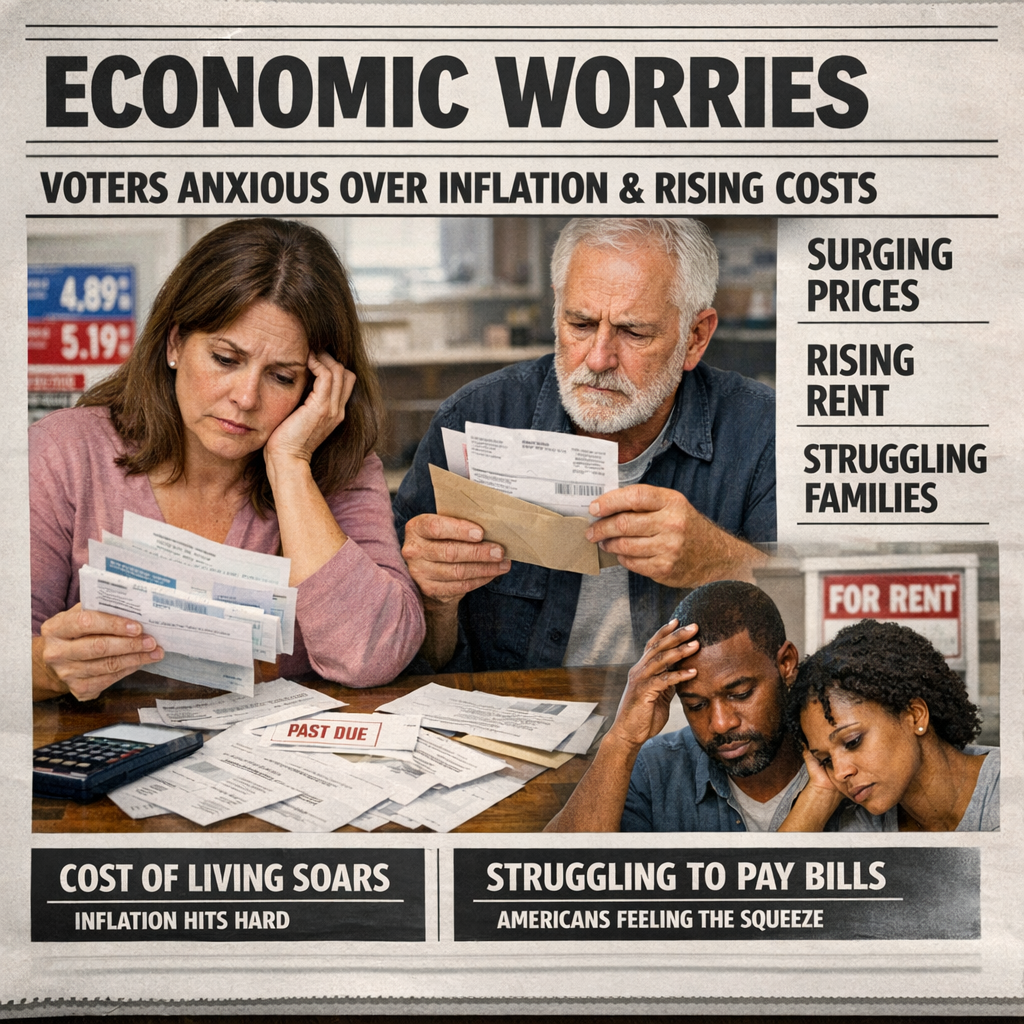
Many Americans say the rising cost of living — including housing, healthcare, and energy — is their top concern. In recent polling, inflation and affordability outpace other issues in shaping public priorities. A growing number believe that policies enacted so far have failed to ease their economic burden.
— Surveys from Pew Research and Marquette Law School indicate strong negative evaluations of economic conditions and emphasis on affordability as a major concern.
Midterm Elections Loom: Political Stakes Rise
With midterm elections approaching, both parties are under pressure. Republicans are pushing a $95 billion legislative package including funding for defense (particularly related to the Iran war), agricultural support, and stricter voter registration provisions. Internal divisions — between priorities like avoiding another government shutdown and sustaining party unity — complicate efforts.
— Reports on GOP plans for legislation and looming legislative deadlines.
What to Watch in Coming Months
- Whether inflation truly begins to ease or remains stickier than expectations.
- The effectiveness of proposed policies in addressing the cost of essentials like housing and healthcare.
- The impact of foreign conflicts (notably in the Middle East) on energy prices and public sentiment.
- How election law changes and government funding battles influence voter turnout and trust.
The national mood in the United States is shaped more by everyday economic challenges than by any single headline. As voices across the country call for relief, political leaders face a test: crafting policies that respond to material needs while navigating sharp partisan divides.