

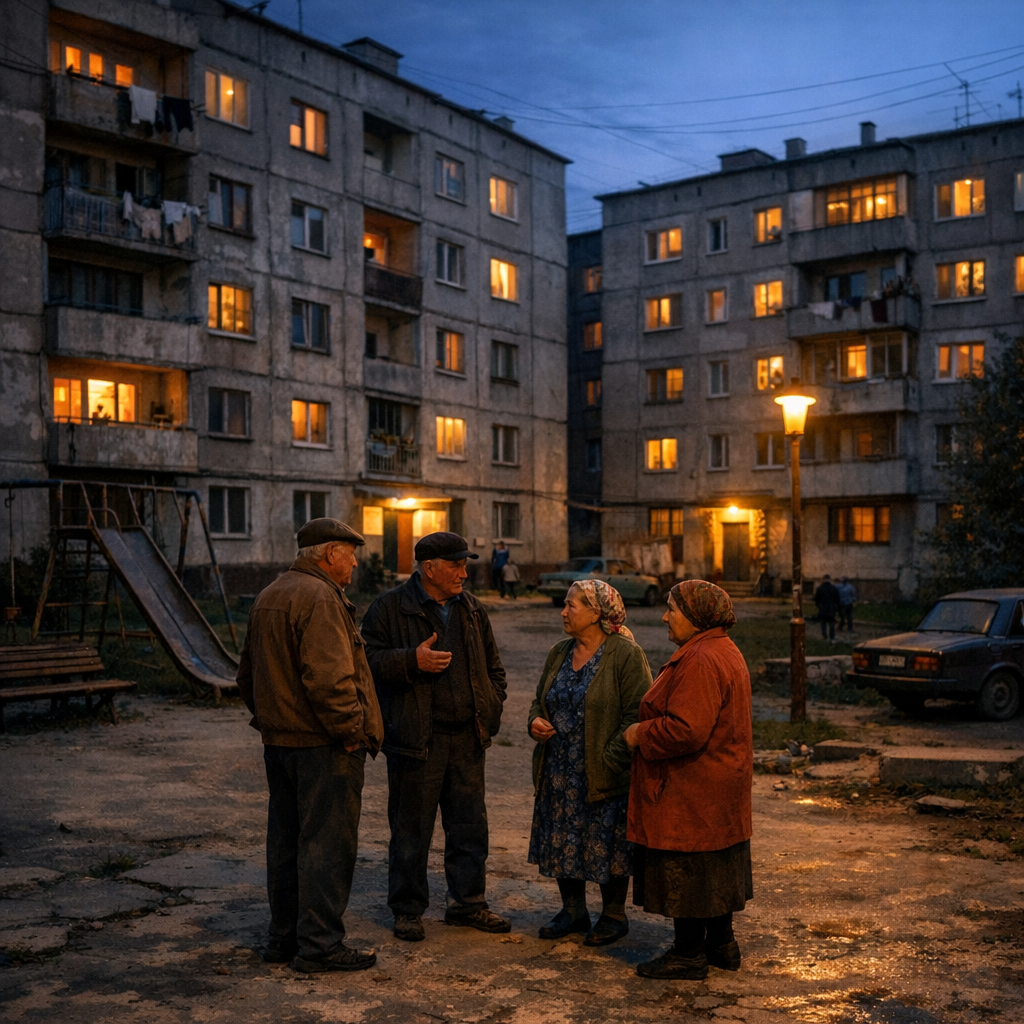
My name is Priit Kivimägi, and I’ve lived in Lasnamäe for over a decade. It’s the kind of place people talk about when they mention high-rise concrete, dense blocks, and Russian-speaking neighbours. But for me—and many others—Lasnamäe is more than stereotypes. It’s home, a place with both challenges and surprising strength.
The buildings don’t tell the full story
Yes, much of Lasnamäe was built in the 1970s-80s as large prefabricated apartment districts. Wide streets, functional blocks, mass housing. Inevitably, some areas feel anonymous, urban infrastructure feels stretched, and the green spaces are often unremarkable patches between buildings. These features, coupled with a high concentration of Russian-speaking residents, give Lasnamäe a reputation that’s hard to shake. Many feel the district is distant from the city’s social and cultural heart, despite its connections via buses and trams.
People shaping identity
But what often gets overlooked is how deeply people care about this place. Schools, small shops, local cafés, apartment corridors—all carry life. Kids walk to after-school classes, elders tend community gardens in summer, neighbours help one another through winters. Language cultures mix: Russian is heard in stairwells while Estonian is used in the shops; accents shift, children code-switch.
Community groups are stepping forward: resident associations pushing for better maintenance, volunteers turning dull courtyards into playful corners, local artists using blank walls as canvases. The movement called Lasna!dee is one example. It involves residents working with planners and universities to imagine what Lasnamäe could be: greener, more inclusive, livable. These aren’t glossy photo ops—they are grassroots efforts born from the conviction that people deserve more than ‘just enough’.
Housing, inclusion, and the ongoing effort for change
One of the biggest issues is housing affordability. A recent city study showed that many families here spend a large share of their income on housing—a burden that limits opportunity and pins people in place. The same research noted that affordable homes and upgrades are particularly concentrated in Lasnamäe and adjacent districts, which reinforces both pride in local roots and frustration with slow improvements.
Alongside infrastructure, the call is for public spaces that welcome everyone: plazas, playgrounds, walks shaded by trees. One project being considered is drawing on examples of pocket parks and interactive neighbour walks to map where greenery could most benefit health, wellbeing, and social interaction. Regular dialogue between residents and city officials is increasing—and with it, a sense that voices here are heard.
Why Lasnamäe still matters—and why we should listen
Cities often grow by polishing their centres, making them ‘instagrammable’. But real strength comes from the edges—places like Lasnamäe that carry living, breathing stories. The energy isn’t in glossy façades but in layers: people who stayed, those who arrived, children growing bilingual, community gardens cultivated by the hands of neighbours, disagreements and repairs alike.
If we care about what makes Tallinn strong in the long term—its social fabric, its trust, its diversity—then we must stop writing off places like Lasnamäe. These districts aren’t problems to solve; they’re foundations to build on. And often, in the gritty complexity of everyday life, you see a city discovering more of itself than anywhere else.