

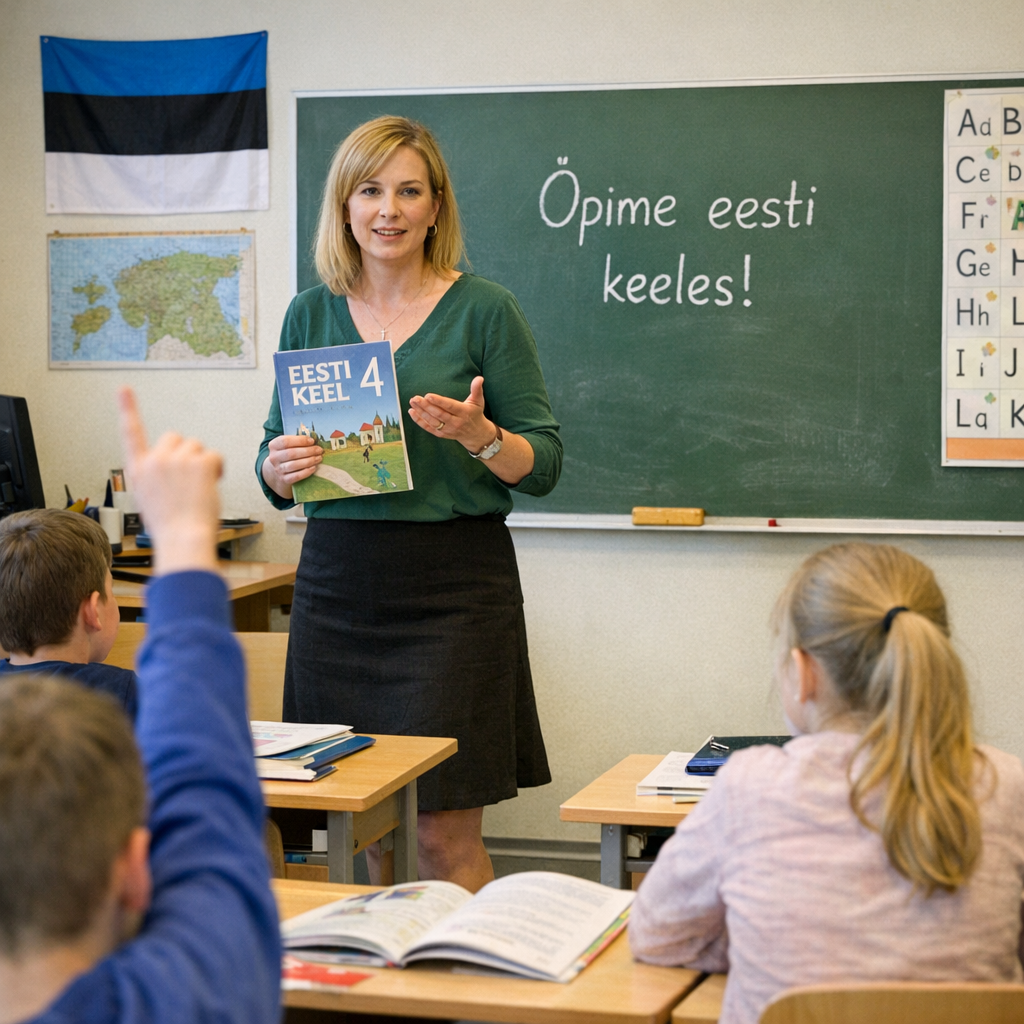
In recent years, Tallinn has intensified efforts to transition its educational institutions to Estonian-language instruction, aligning with national policies aimed at strengthening the use of the state language across all sectors. This initiative underscores the city’s commitment to fostering a unified linguistic environment and enhancing social cohesion.
Progress in Implementation
Several schools in Tallinn have successfully integrated Estonian-language curricula, with educators receiving specialized training to facilitate this shift. The city’s Department of Education has reported an increase in the number of teachers attaining the required proficiency levels, contributing to a smoother transition for students and staff alike.
Challenges Encountered
Despite these advancements, challenges persist. Notably, the dismissal of the director of the Kesklinna Russian Gymnasium highlighted issues related to language proficiency among teaching staff. Inspections revealed that some classes intended to be conducted in Estonian were taught by individuals lacking the necessary language skills, leading to administrative actions to uphold educational standards.
Community Response
The transition has elicited mixed reactions within the community. While many support the move towards a unified language of instruction, concerns have been raised about the pace of implementation and the adequacy of support for both educators and students adapting to the new system.
Looking Ahead
To address these challenges, Tallinn’s educational authorities are focusing on comprehensive support measures, including ongoing professional development for teachers and resources for students to ease the transition. The city’s commitment to Estonian-language education remains steadfast, with a focus on inclusivity and quality learning experiences for all students.